
Ever wondered can you bring an electric toothbrush on a plane?
The answer is yes! Whether it’s battery-powered or rechargeable, electric toothbrushes are permitted in both carry-on and checked luggage, per TSA guidelines.
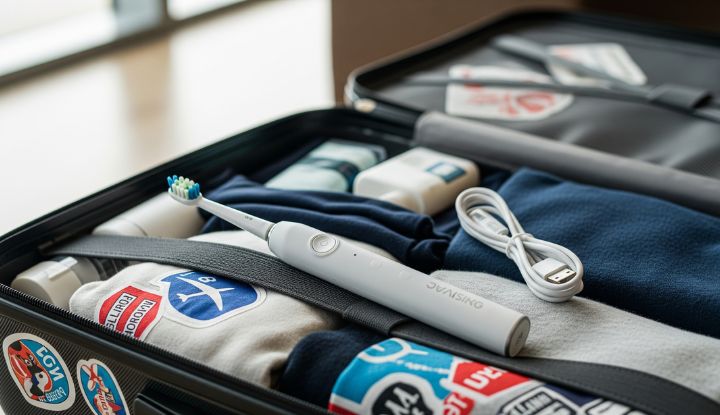
This guide dives into the rules, battery considerations, packing strategies, and unique tips to keep your oral hygiene routine seamless while traveling.
With practical advice tailored for DIY travelers and homeowners, you’ll navigate airport security with ease, ensuring your toothbrush stays safe and functional, no matter where your journey takes you.
Table of Contents
Why Traveling with an Electric Toothbrush Matters
Maintaining oral hygiene on the go is crucial for health and confidence. Electric toothbrushes offer superior cleaning, removing 30% more plaque than manual brushes, per ADA. However, navigating airport security can be tricky. Understanding TSA rules ensures:
- Safety: Proper packing prevents battery-related risks, per FAA.
- Convenience: Access your toothbrush during long flights.
- Cost Savings: Avoid replacing lost or confiscated devices, saving $20-$100.
- Compliance: Meet airline and international regulations to avoid delays.
Knowing the rules keeps your dental routine uninterrupted and stress-free.
Can You Bring an Electric Toothbrush on a Plane?
Yes, you can bring an electric toothbrush on a plane in both carry-on and checked luggage, per TSA guidelines. Models with lithium-ion batteries must be in carry-on bags due to fire risks, while alkaline battery models (AA/AAA) can go in either. Ensure the toothbrush is powered off to prevent accidental activation. Pack in a travel case for protection, and check airline rules for international flights, per FAA and IPC standards.
Understanding Electric Toothbrush Components
To travel smart, let’s break down the key components of an electric toothbrush and their implications:
1. Battery Types and Regulations
Electric toothbrushes use different power sources, each with specific rules:
- Lithium-Ion Batteries: Common in rechargeable models like Philips Sonicare. Must be in carry-on due to fire risks, per FAA. Typically under 100Wh, within TSA limits.
- Alkaline Batteries (AA/AAA): Found in models like Spinbrush. Allowed in both carry-on and checked bags, per TSA.
- Example: A traveler packed a lithium-ion toothbrush in carry-on, avoiding confiscation at security.
Tip: Remove batteries for checked luggage to prevent activation, per Navien guidelines.
2. Brush Head and Motor
These components are generally safe but need care:
- Brush Head: Detachable and non-hazardous. Pack in a sealed case to avoid contamination, per Colgate.
- Motor: Small and poses no security concerns, but vibrations may raise questions at checkpoints.
- Example: A user covered their brush head with a cap, keeping it clean during travel.
Tip: Use a travel case to protect the motor and bristles, per The Spruce.
3. Charging Systems
Rechargeable toothbrushes often include chargers or USB cords:
- Function: USB or proprietary chargers need a 120V outlet or power bank.
- Cost: Charging uses minimal power, about $0.01-$0.03 per charge at $0.17/kWh.
- Example: A traveler used a USB-C charger for their Philips One, saving space.
Tip: Charge fully before travel to avoid needing outlets, per Oclean.
TSA and Airline Regulations for Electric Toothbrushes
The TSA and airlines have clear guidelines to ensure safe travel:
- TSA Rules: Electric toothbrushes are permitted in carry-on and checked luggage. Lithium-ion models must be in carry-on, powered off, per FAA. Spare batteries require carry-on and individual protection (e.g., plastic bags) to prevent short circuits.
- International Flights: Most countries follow IATA/ICAO rules, similar to TSA, but check airline policies, per LocalNomads. For example, Singapore allows toothbrushes in both luggage types, per CAA Singapore.
- Example: A Reddit user packed their Oral-B in carry-on, avoiding issues in Europe.
Tip: Check your destination’s aviation authority website for specific rules, per ThisExpansiveAdventure.
Benefits of Traveling with an Electric Toothbrush
Bringing your electric toothbrush offers practical advantages:
- Superior Cleaning: Removes 20-30% more plaque than manual brushes, per ADA.
- Convenience: Built-in timers ensure proper brushing, per Colgate.
- Portability: Compact models like Philips One fit easily in carry-ons.
- Cost Efficiency: Avoid buying replacements abroad, saving $15-$50.
Example: A traveler used their Sonicare mid-flight, feeling fresh after a 12-hour journey.
Tip: Pack a travel-sized toothpaste (under 3.4 oz) to comply with TSA liquid rules.
Safety Considerations for Traveling with Electric Toothbrushes
Safety is key when traveling with battery-powered devices:
- Battery Safety: Turn off lithium-ion toothbrushes to prevent activation, per FAA. Store spare batteries in original packaging or taped terminals, per TSA.
- Security Screening: Place toothbrushes in an accessible bag spot for quick inspection, per TravelingLight.
- Protection: Use a hard-shell case to avoid damage, per Spinbrush.
- Example: A user avoided a delay by placing their toothbrush in a clear bag for screening.
Tip: Label your toothbrush to avoid mix-ups in shared bathrooms, per Family Handyman.
Packing Tips for Electric Toothbrushes
Smart packing ensures your toothbrush arrives intact:
1. Carry-On vs. Checked Luggage
- Carry-On: Preferred for lithium-ion models to comply with FAA rules and avoid loss. Easier to access for long flights.
- Checked Luggage: Suitable for alkaline battery models but risks damage or loss, per TravelingLight.
- Example: A traveler packed their Quip in carry-on, using it mid-flight.
Tip: Keep lithium-ion toothbrushes in carry-on to avoid confiscation, per TSA.
2. Protecting Your Toothbrush
- Travel Case: Use a hard-shell or soft pouch to protect bristles and electronics, per Colgate.
- Brush Head Caps: Prevent contamination and bristle damage, per Oclean.
- Example: A user’s toothbrush survived rough handling thanks to a sturdy case.
Tip: Sanitize the brush head before packing, per ADA recommendations.
3. Managing Batteries and Chargers
- Charge Before Travel: Ensures usability without needing outlets, per Soocas.
- Spare Batteries: Pack in carry-on with terminals covered, per FAA.
- Example: A traveler used a USB power bank to charge their toothbrush at the airport.
Tip: Bring a universal USB charger for global compatibility, per The Manual.
Comparing Electric Toothbrushes to Manual Options for Travel
How do electric toothbrushes stack up against manual ones for travel?
1. Manual Toothbrushes
- Pros: Lightweight, no battery concerns, TSA-friendly, per Reddit.
- Cons: Less effective cleaning, no timers, per ADA.
- Example: A minimalist traveler used a folding manual brush to save space.
Tip: Choose a manual brush as a backup if your battery dies, per OneBag.
2. Battery-Powered Electric Toothbrushes
- Pros: Affordable ($10-$30), AA/AAA batteries are widely available, per Spinbrush.
- Cons: Bulkier than manual brushes, per The Spruce.
- Example: A user packed a Spinbrush with spare AA batteries for a month-long trip.
Tip: Remove batteries to prevent activation in checked luggage, per TSA.
3. Rechargeable Electric Toothbrushes
- Pros: Long battery life (up to 30 days), USB charging, per Philips.
- Cons: Must be in carry-on if lithium-ion, per FAA.
- Example: A traveler’s Sonicare lasted two weeks without recharging.
Tip: Opt for USB-rechargeable models for convenience, per Colgate.
Factors Affecting Travel with Electric Toothbrushes
Several factors influence a smooth travel experience:
1. Battery Type and Regulations
- Impact: Lithium-ion batteries face stricter rules, requiring carry-on placement, per FAA.
- Example: A user’s lithium-ion toothbrush was confiscated from checked luggage.
Tip: Check battery type on the device or manual before packing, per Oclean.
2. Airline and Destination Policies
- Impact: Some airlines or countries have unique restrictions, per ThisExpansiveAdventure.
- Example: A traveler checked Qantas’ website to confirm toothbrush rules for Australia.
Tip: Email your airline for clarity on international policies, per LocalNomads.
3. Travel Duration
- Impact: Long trips require chargers or spare batteries, per Soocas.
- Example: A user packed a USB charger for a three-week trip.
Tip: Choose a model with 15+ days of battery life for extended travel, per Colgate.
Unique Strategies for Traveling with Electric Toothbrushes
Innovative tips to enhance your travel experience:
- Smart Toothbrush Apps: Use Bluetooth-enabled models (e.g., Oral-B iO) to track brushing habits, per ADA.
- Portable Sanitizers: Use UV sanitizers to keep brush heads clean, saving $10-$20 on replacements.
- Multi-Device Chargers: Pack a universal USB hub to charge toothbrush, phone, and earbuds, per Reddit.
- Eco-Friendly Packing: Use biodegradable brush head covers for sustainability, per Sustainable Tomorrow.
- Custom Labels: Add waterproof stickers to identify your toothbrush in shared accommodations.
Example: A traveler used a UV sanitizer, keeping their brush germ-free on a group trip.
Tip: Store your toothbrush in a breathable pouch to prevent mold, per Colgate.
Troubleshooting Common Travel Issues
Address these problems to keep your toothbrush functional:
- Battery Drain: Charge fully before departure or carry a power bank, per Soocas.
- Security Delays: Place toothbrush in a clear bag for quick screening, per TravelingLight.
- Damage: Use a hard-shell case to protect against baggage handling, per Spinbrush.
- Example: A user avoided a delay by showing their toothbrush was powered off.
Tip: If confiscated, buy a cheap manual brush at your destination, per Reddit.
FAQs About Can You Bring an Electric Toothbrush on a Plane
1. Are lithium-ion electric toothbrushes safe to bring on a plane?
Yes, lithium-ion electric toothbrushes are safe to bring on a plane if packed in carry-on luggage, per FAA guidelines. They must be powered off to prevent accidental activation, and spare batteries need individual protection (e.g., plastic bags) to avoid short circuits. For example, a traveler’s Sonicare was cleared after showing it was off. Batteries under 100Wh are typically allowed without approval, per TSA. Check airline policies for international flights, as some countries have stricter rules, per IATA. Always use a travel case to protect the device, per Colgate.
2. Can I pack an electric toothbrush in checked luggage?
You can pack an electric toothbrush in checked luggage if it uses alkaline batteries (AA/AAA), per TSA. However, lithium-ion models must be in carry-on due to fire risks, per FAA. For example, a user lost their checked lithium-ion toothbrush at security. Remove batteries or ensure the device is off to prevent activation. Use a sturdy case to avoid damage during handling, per Spinbrush. For international flights, verify airline rules, as some prohibit batteries in checked bags, per ThisExpansiveAdventure.
3. What should I do if my electric toothbrush is confiscated at security?
If your electric toothbrush is confiscated, stay calm and ask the TSA officer for clarification, per TravelingLight. It may be due to a lithium-ion battery in checked luggage or failure to power off. For example, a user retrieved their toothbrush by moving it to carry-on. Purchase a cheap manual brush ($2-$5) at your destination as a backup, per Reddit. To prevent issues, pack in carry-on, use a clear bag for screening, and check airline policies beforehand, per LocalNomads.
4. How do I pack an electric toothbrush for international flights?
For international flights, pack your electric toothbrush in carry-on if it has a lithium-ion battery, per IATA/ICAO rules. Ensure it’s powered off and in a travel case, per Oclean. Check airline and destination policies, as some countries have stricter battery rules, per ThisExpansiveAdventure. For example, a traveler confirmed Qantas allowed their Sonicare in carry-on. Bring a USB charger for compatibility and a travel-sized toothpaste (under 3.4 oz), per TSA. Sanitize the brush head before packing, per ADA.
5. Can I use my electric toothbrush during a flight?
Yes, you can use your electric toothbrush during a flight, especially on long-haul trips, to freshen up, per The Manual. Ensure it’s in your carry-on for easy access, per TSA. For example, a traveler brushed mid-flight in the airplane bathroom without issues. Use a travel-sized toothpaste to comply with liquid rules (3.4 oz or less). Avoid using rechargeable models if the battery is low, and consider a manual backup for convenience, per OneBag.
Conclusion
Still curious about can you bring an electric toothbrush on a plane? You can pack it in carry-on or checked luggage, but lithium-ion models must be in carry-on, per TSA and FAA regulations. Use a sturdy travel case, charge it fully before departure, and include travel-sized toothpaste. Verify airline rules for international flights to avoid issues. These tips ensure your electric toothbrush keeps your smile fresh and your travels hassle-free, maintaining oral hygiene wherever you go, per ADA and TSA guidelines.