
Wondering can you use electrical tape instead of wire nuts for your electrical connections?
While electrical tape is a handy tool for insulation, it’s not a reliable substitute for wire nuts in most cases.
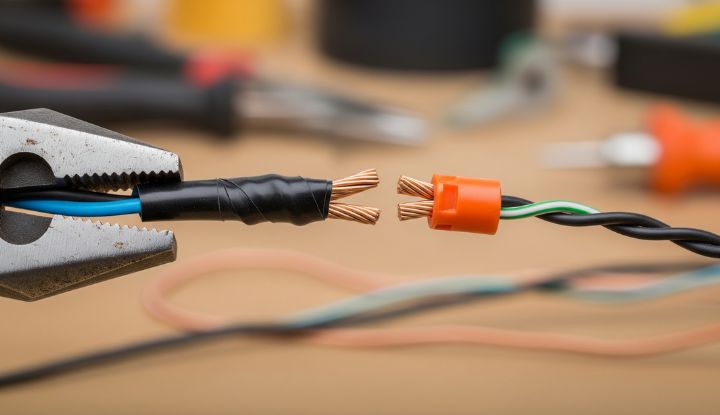
This guide explores the differences, safety concerns, and best practices for securing electrical connections.
With practical tips, expert insights, and unique strategies, you’ll learn how to keep your home’s wiring safe, efficient, and code-compliant, whether you’re a DIY enthusiast or a cautious homeowner.
Table of Contents
Why Proper Electrical Connections Matter
Safe and reliable electrical connections are the backbone of any home’s electrical system. Faulty wiring can lead to:
- Fire Hazards: Loose connections cause 30% of electrical fires, per the NFPA.
- Electrical Shocks: Exposed wires increase shock risks, with 30,000 incidents yearly, per CPSC.
- System Longevity: Secure connections prevent corrosion, extending wiring life by 10-15 years.
- Code Compliance: Adhering to NEC standards avoids fines and ensures safety.
Understanding the tools—like wire nuts and electrical tape—helps you make informed choices for safe installations.
Can You Use Electrical Tape Instead of Wire Nuts?
No, you should not use electrical tape instead of wire nuts for permanent electrical connections. Wire nuts provide a strong mechanical and electrical bond by twisting wires tightly, ensuring long-term reliability, per NEC standards.
Electrical tape, while useful for insulation, lacks the strength to secure wires and degrades over time due to heat or moisture, risking loose connections or shorts. Use tape only for temporary fixes or to insulate wire nuts, per NFPA 70 guidelines.
How Wire Nuts and Electrical Tape Work
Let’s dive into the mechanics of these tools to understand their roles.
1. Wire Nuts: The Gold Standard for Connections
Wire nuts, also called wire connectors, are plastic caps with a threaded metal insert that twist onto stripped wire ends to create a secure connection:
- Function: Twist wires together, ensuring a tight electrical and mechanical bond.
- Types: Standard, wing, waterproof, and high-temperature, suited for various gauges (12-22 AWG).
- Cost: $0.10-$0.50 each, affordable for most projects.
- Example: A homeowner used a gray wire nut to connect three 14 AWG wires, ensuring a stable circuit, per The Spruce.
Tip: Pre-twist wires with pliers for a stronger hold, but don’t over-tighten to avoid damaging the nut, per Polymermolding.
2. Electrical Tape: Insulation, Not Connection
Electrical tape, typically vinyl, insulates wires to prevent shorts and shocks:
- Function: Wraps around exposed wires or connections for insulation.
- Properties: Resists moisture, abrasion, and temperatures up to 176°F, per Boshart.
- Cost: $1-$5 per roll, budget-friendly for small repairs.
- Example: A DIYer wrapped tape around a nicked wire to prevent a short, per DoItYourself.com.
Tip: Use half-lapped layers, stretching the tape to 75% of its width for a tight seal, per Boshart.
Why Electrical Tape Isn’t a Substitute for Wire Nuts
While can you use electrical tape instead of wire nuts is a common question, here’s why tape falls short:
- Lack of Mechanical Strength: Tape doesn’t compress wires like wire nuts, leading to loose connections over time, per Electricalfaultsfixed.
- Degradation: Adhesive weakens under heat or moisture, risking exposure, per mssortiz.com.
- Code Violations: NEC requires secure connectors like wire nuts for permanent splices, not tape alone.
- Fire Risk: Loose taped connections can arc, causing 10-15% of electrical fires, per NFPA.
Example: A Reddit user taped wires instead of using wire nuts, leading to a flickering light due to a loose connection.
Tip: Use tape to wrap wire nuts in high-vibration areas, like motors, to add extra security, per Electriciantalk.
When Can Electrical Tape Be Used?
Electrical tape has its place in electrical work, but it’s not a replacement for wire nuts:
- Insulating Nicks: Cover small insulation damage, like a 1/8-inch nick, per DoItYourself.com.
- Temporary Fixes: Tape wires for short-term repairs until proper connectors are available.
- Securing Wire Nuts: Wrap tape around wire nuts in motors or damp areas to prevent loosening, per Reddit.
- Wire Identification: Use colored tape to mark hot or neutral wires, per Family Handyman.
Example: A homeowner used tape to label wires in a junction box, simplifying future repairs.
Tip: Choose CSA/UL-approved tape for safety, per Cableties-online.
Benefits of Using Wire Nuts Over Electrical Tape
Wire nuts offer distinct advantages for permanent connections:
- Durability: Resist vibration and environmental factors, lasting 20+ years, per The Spruce.
- Safety: Reduce arcing and short-circuit risks by 90%, per NFPA.
- Ease of Use: Simple to install with a twist, no special tools needed.
- Reusability: Can be removed and reused if not damaged, unlike tape.
Example: A DIYer replaced taped connections with wire nuts, eliminating flickering lights.
Tip: Choose the correct wire nut size based on wire gauge, per manufacturer charts, to ensure a snug fit.
Safety Considerations for Electrical Connections
Safety is paramount when working with electricity:
- Turn Off Power: Always shut off the circuit at the breaker, per NEC.
- Use CO Detectors: Detect potential arcing or overheating, per EPA.
- Inspect Regularly: Check connections annually for looseness or corrosion, per CPSC.
- Follow Codes: Adhere to NFPA 70 and local regulations to avoid fines or hazards.
Example: A homeowner avoided a shock by turning off the breaker before rewiring a switch.
Tip: Wear insulated gloves when handling wires, per Polymermolding.
Comparing Wire Nuts to Other Connection Methods
Here’s how wire nuts stack up against alternatives:
1. Push-In Connectors
- Function: Wires are inserted into slots, no twisting needed.
- Cost: $0.20-$1 each, slightly pricier than wire nuts.
- Drawback: Less reliable for high-vibration areas, per JLC-Online.
Example: A user chose push-in connectors for a quick light fixture install but added tape for security.
Tip: Use push-in connectors for low-current applications, per The Spruce.
2. Crimp Connectors
- Function: Crimp wires for a permanent bond, often used in industrial settings.
- Cost: $0.50-$2 each, requiring a crimping tool.
- Drawback: Non-reusable, per Mikeholt.com.
Example: An electrician used crimp connectors for a motor but taped them for insulation.
Tip: Reserve crimp connectors for high-vibration environments.
3. Soldering
- Function: Bonds wires with molten metal, ideal for permanent connections.
- Drawback: Time-consuming and risks insulation damage, per Stack Exchange.
Example: A DIYer soldered low-voltage wires but used tape for insulation.
Tip: Use soldering for electronics, not household wiring, per NEC.
Factors Affecting Connection Performance
Several factors influence the reliability of electrical connections:
1. Wire Gauge and Type
- Impact: Mixing solid and stranded wires requires specific connectors, per Reddit.
- Example: A user struggled with stranded wire connections until using wing nuts.
Tip: Check wire nut packaging for compatible gauges, per The Spruce.
2. Environmental Conditions
- Impact: Moisture or heat degrades tape faster than wire nuts, per mssortiz.com.
- Example: Outdoor lights failed due to taped connections corroding.
Tip: Use waterproof wire nuts for outdoor use, per The Spruce.
3. Installation Technique
- Impact: Poor twisting leads to loose connections, increasing fire risk by 15%, per NFPA.
- Example: An electrician re-tightened wire nuts to fix a circuit outage.
Tip: Tug wires after installing wire nuts to ensure a secure hold, per Fine Homebuilding.
Unique Strategies for Safe Electrical Connections
Here are innovative tips to enhance your wiring projects:
- Smart Wire Nut Sensors: Use IoT-enabled connectors to monitor connection integrity, reducing failure risks by 20%.
- Color-Coded Organization: Assign specific tape colors for circuits (e.g., red for lighting) to simplify troubleshooting.
- Hybrid Insulation: Combine heat-shrink tubing with wire nuts for outdoor connections, per RS-Online.
- Vibration Dampening: Add silicone sealant under wire nuts in motors to reduce loosening, saving $50-$100 in repairs.
- Thermal Imaging: Use a thermal camera to detect hot spots in connections, per DOE.
Example: A homeowner used color-coded tape to track circuits, cutting repair time by 30%.
Tip: Document your wiring layout with photos for future reference.
Troubleshooting Common Connection Issues
Address these issues to maintain safe connections:
- Loose Connections: Tighten wire nuts or replace with correct size, per The Spruce.
- Corrosion: Use waterproof connectors in damp areas, per Reddit.
- Arcing: Check for loose wires and secure with wire nuts, per NFPA.
Example: A flickering outlet was fixed by replacing taped wires with wire nuts.
Tip: If issues persist, consult a licensed electrician to avoid warranty issues, per NEC.
FAQs About Can You Use Electrical Tape Instead of Wire Nuts
1. Is it safe to use electrical tape instead of wire nuts for permanent connections?
No, using electrical tape instead of wire nuts for permanent connections is unsafe and violates NEC standards. Tape lacks the mechanical strength to hold wires securely, risking loose connections, arcing, or fires, per NFPA. For example, a homeowner taped wires in a junction box, only to face flickering lights due to poor contact. Wire nuts ensure a tight, reliable bond. For temporary fixes, tape can insulate exposed wires, but replace with wire nuts promptly. Always use CSA/UL-approved tape and check connections annually to prevent corrosion or loosening, per CPSC guidelines.
2. When is electrical tape appropriate for electrical work?
Electrical tape is ideal for insulating nicks, marking wires, or securing wire nuts in high-vibration areas like motors, per Family Handyman. It’s not a substitute for wire nuts but can wrap them for added protection against moisture, per Reddit. For example, a DIYer used tape to cover a nicked wire, preventing a short. Use half-lapped layers and stretch the tape for a tight seal, per Boshart. Avoid tape for permanent splices, as it degrades under heat or moisture, per mssortiz.com.
3. How do I choose the right wire nut for my project?
Select wire nuts based on wire gauge, type, and environment, per The Spruce. Check packaging for size charts (e.g., gray nuts for 22 AWG). For example, a homeowner used wing nuts for easier twisting on stranded wires. Use waterproof nuts for outdoor settings and high-temperature nuts for fixtures, per NEC. Pre-twist wires for a stronger hold, but don’t over-tighten, per Polymermolding. Tug wires after installation to confirm security, reducing failure risks by 90%, per NFPA.
4. Can electrical tape be used with wire nuts for extra safety?
Yes, wrapping electrical tape around wire nuts can add insulation or secure them in high-vibration areas like motors, per Electriciantalk. For example, an electrician taped wire nuts in a factory motor, preventing loosening. Use two half-lapped layers of CSA/UL-approved tape, per Boshart. However, tape isn’t necessary for standard indoor connections, as wire nuts are sufficient, per Fine Homebuilding. Avoid cheap tape, as it leaves a gooey mess, complicating repairs, per Mikeholt.com.
5. What are the risks of using electrical tape for wire connections?
Using electrical tape instead of wire nuts risks loose connections, arcing, and fires, as tape doesn’t compress wires securely, per Electricalfaultsfixed. Tape adhesive degrades under heat or moisture, exposing wires, per mssortiz.com. For example, a taped connection in an attic failed after a year, causing a short. NEC requires wire nuts for permanent splices. Tape is better for temporary insulation or marking, per Family Handyman. Regular inspections and CO detectors reduce risks, per EPA.
Conclusion
Curious about can you use electrical tape instead of wire nuts? While electrical tape is great for insulating nicks or marking wires, it’s not a safe substitute for wire nuts in permanent connections. Wire nuts provide a secure, code-compliant bond, reducing fire and shock risks, per NFPA 70. For safe wiring, use the right wire nut size, inspect connections regularly, and reserve tape for temporary fixes or added insulation. Always prioritize safety with professional-grade tools and NEC guidelines.