
Want to know does a dehumidifier use a lot of electricity?
These devices help keep your home mold-free, but their energy costs can concern budget-conscious homeowners.
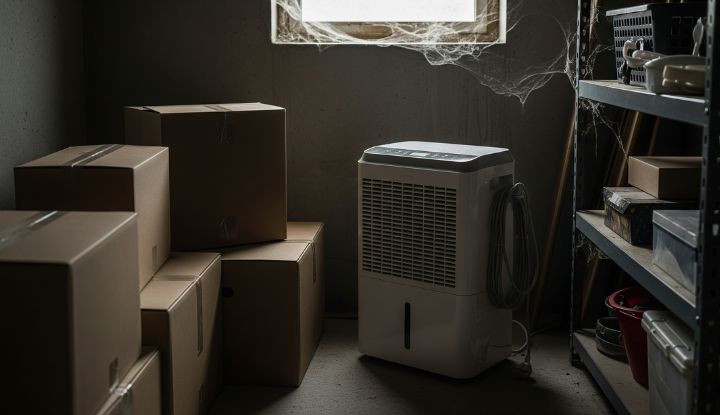
Typically using 300-700 watts, dehumidifiers consume far less power than air conditioners. This guide covers their electricity usage, cost-saving tips, and unique strategies to maintain a dry, comfortable home affordably.
With practical, homeowner-friendly advice, you’ll learn how to optimize efficiency, lower bills, and ensure air quality while meeting energy standards.
Table of Contents
Why Dehumidifier Energy Use Matters
Understanding dehumidifier electricity consumption is key for:
- Cost Savings: Lower energy use can save $10-$50/month, per Perch Energy.
- Comfort: Maintains 30-50% humidity for health, per EPA.
- Sustainability: Efficient models reduce carbon footprint by 5-10%, per Energy Star.
- Home Protection: Prevents mold damage, costing $3,000+ to repair, per HomeAdvisor.
This knowledge helps you balance comfort, cost, and eco-friendly living.
Does a Dehumidifier Use a Lot of Electricity?
No, a dehumidifier doesn’t use a lot of electricity compared to appliances like air conditioners (3,000W). Most use 300-700 watts, costing $15-$70/month at 16 cents/kWh for 8-24 hours daily, per Perch Energy. Energy Star models use 13% less energy, per Energy Star. Optimize usage with proper sizing, eco-modes, and off-peak scheduling to save $5-$20/month.
How Dehumidifiers Work and Their Energy Consumption
Dehumidifiers remove excess moisture, but their energy use varies:
- Mechanism: A fan pulls humid air over cold coils, condensing moisture into a reservoir, then releases dry air, per Green Thumb Depot.
- Wattage: Small units (30-pint) use 300-360W; large units (70-pint) use 600-700W, per aloraircrawlspace.com.
- Example: A 50-pint unit running 12 hours/day at 500W costs $24/month at 16 cents/kWh, per Perch Energy.
Tip: Check wattage on the unit’s label or manual, per Aire Serv.
Factors Affecting Dehumidifier Energy Use
Several factors influence electricity consumption:
1. Size and Capacity
- Impact: Larger units (70-pint) use more power (600-700W) than smaller ones (300W for 30-pint), per learnmetrics.com.
- Example: A basement dehumidifier used 700W, costing $60/month, per learnmetrics.com.
Tip: Match capacity to room size using Energy Star charts, per energystar.gov.
2. Running Time
- Impact: Continuous use (24/7) triples costs vs. 8 hours/day, per aloraircrawlspace.com.
- Example: Running a 400W unit 12 hours/day saved $20/month vs. 24 hours, per Moorgen Smart Home.
Tip: Use timers to limit operation, per pingi.com.
3. Environmental Conditions
- Impact: High humidity or warm temperatures increase energy use, per aloraircrawlspace.com.
- Example: A humid climate raised a unit’s runtime, adding $10/month, per Aire Serv.
Tip: Fix leaks to reduce humidity, per energystar.gov.
4. Energy Efficiency
- Impact: Energy Star models use 13-15% less power, per energystar.gov.
- Example: An Energy Star unit saved $15/year vs. a standard model, per learnmetrics.com.
Tip: Look for high Energy Factor ratings (liters/kWh), per Perch Energy.
Strategies to Reduce Dehumidifier Electricity Costs
Cut costs with these practical tips:
1. Choose the Right Size
- Why: Oversized units cycle inefficiently; undersized ones overwork, per aloraircrawlspace.com.
- Example: A 30-pint unit in a small room saved $10/month vs. a 70-pint, per Energy Star.
Tip: Use Energy Star’s sizing chart for optimal capacity, per energystar.gov.
2. Use Energy-Saving Features
- Features: Eco-modes, humidistats, and auto-shutoff reduce runtime, per Moorgen Smart Home.
- Example: A humidistat set to 40% cut usage by 20%, per pingi.com.
Tip: Set humidity to 30-50% for efficiency, per Aire Serv.
3. Schedule Off-Peak Usage
- Why: Lower rates (e.g., 10 cents/kWh at night) save 10-20%, per Energyusecalculator.
- Example: Nighttime operation saved $12/month, per Perch Energy.
Tip: Use smart plugs for automated scheduling, per Moorgen Smart Home.
4. Maintain Your Dehumidifier
- Tasks: Clean filters monthly and empty reservoirs to maintain efficiency, per Aire Serv.
- Example: A clean filter reduced energy use by 5%, per aloraircrawlspace.com.
Tip: Follow manufacturer maintenance schedules, per pingi.com.
5. Improve Home Ventilation
- Why: Better airflow reduces dehumidifier workload, per Green Thumb Depot.
- Example: Adding a fan cut runtime by 10%, per Moorgen Smart Home.
Tip: Use exhaust fans in bathrooms to lower humidity, per energystar.gov.
Comparing Dehumidifiers to Other Appliances
Dehumidifiers use less power than many household devices:
- Air Conditioners: 3,000W vs. 300-700W for dehumidifiers, per Green Thumb Depot.
- Water Heaters: 4,500W, per learnmetrics.com.
- Coffee Makers: 1,200W for short bursts, unlike continuous dehumidifier use, per learnmetrics.com.
- Example: A dehumidifier cost $20/month vs. $100 for an AC, per Perch Energy.
Tip: Pair dehumidifiers with ACs to reduce cooling costs, per Green Thumb Depot.
Safety Considerations for Dehumidifier Use
Ensure safe operation to avoid hazards:
- Electrical Safety: Plug into grounded outlets; avoid extension cords, per NFPA 70.
- Placement: Keep units away from walls for airflow, per energystar.gov.
- Drainage: Use hoses to prevent reservoir overflow, per aloraircrawlspace.com.
- Example: A user avoided a short by using a direct outlet, per Aire Serv.
Tip: Inspect cords for fraying before use, per pingi.com.
Unique Strategies to Minimize Dehumidifier Energy Costs
Innovative ideas to save more:
- Smart Plugs: Monitor and control usage remotely, saving 5-10%, per Moorgen Smart Home.
- Solar Power: Run dehumidifiers with solar panels, cutting grid costs by 20%, per Energy Professor.
- Room Sealing: Insulate windows to reduce humidity ingress, saving $5/month, per Perch Energy.
- Humidity Sensors: Use standalone sensors to optimize runtime, per Energyusecalculator.
- Example: A homeowner used a smart plug, saving $8/month, per Reddit.
Tip: Join community solar for additional savings, per DOE.
Troubleshooting High Dehumidifier Energy Costs
Address issues to lower consumption:
- Clogged Filters: Clean monthly to avoid overworking, per Aire Serv.
- Incorrect Sizing: Replace mismatched units, per energystar.gov.
- Faulty Humidistats: Test and recalibrate for accuracy, per pingi.com.
- Example: A user fixed a clogged filter, cutting costs by $10/month, per aloraircrawlspace.com.
Tip: Consult a technician for persistent issues, per Family Handyman.
FAQs About Does a Dehumidifier Use a Lot of Electricity
1. How much does it cost to run a dehumidifier daily?
A 500W dehumidifier running 8 hours/day at 16 cents/kWh costs $0.64/day or $19.20/month, per Perch Energy. For example, a 30-pint unit used 300W, costing $0.38/day, per aloraircrawlspace.com. Costs rise with larger units (700W) or continuous use ($1.68/day), per learnmetrics.com. Use Energy Star models and eco-modes to save 13-15%, per energystar.gov. Check your bill’s kWh rate and use timers to limit runtime, per Moorgen Smart Home.
2. Can Energy Star dehumidifiers save on electricity?
Yes, Energy Star dehumidifiers use 13-15% less energy than standard models, saving $10-$15/year, per energystar.gov. They have higher Energy Factor ratings (liters/kWh), per learnmetrics.com. For example, an Energy Star 50-pint unit saved $12/month vs. a non-certified model, per Perch Energy. Look for models with eco-modes and humidistats to optimize efficiency, per Aire Serv. Regular maintenance, like filter cleaning, further boosts savings, per pingi.com.
3. Does running a dehumidifier 24/7 waste electricity?
Running a dehumidifier 24/7 can increase costs significantly, up to $45-$70/month for a 500W unit at 16 cents/kWh, per aloraircrawlspace.com. For example, a user cut costs by $20/month by limiting use to 12 hours, per Moorgen Smart Home. Use humidistats to maintain 30-50% humidity and avoid overuse, per Aire Serv. Schedule operation during off-peak hours to save 10-20%, per Energyusecalculator, and fix leaks to reduce workload, per energystar.gov.
4. How does room size affect dehumidifier energy use?
Room size impacts dehumidifier energy use, as larger spaces require higher-capacity units (50-70 pints) that consume 600-700W, per learnmetrics.com. For example, a 30-pint unit in a small room used 300W, saving $15/month vs. a 70-pint in a large space, per aloraircrawlspace.com. Use Energy Star’s sizing chart to match capacity to square footage, per energystar.gov. Proper sizing prevents overworking, cutting costs by 10%, per Perch Energy.
5. Can dehumidifiers work with air conditioners to save energy?
Yes, dehumidifiers reduce humidity, allowing air conditioners to cool more efficiently, saving 10-15% on combined energy, per Green Thumb Depot. For example, a user paired a dehumidifier with an AC, cutting cooling costs by $20/month, per Aire Serv. Set dehumidifiers to 40% humidity and use AC’s dry mode for synergy, per Moorgen Smart Home. Ensure proper ventilation to avoid overloading either unit, per energystar.gov.
Conclusion
Wondering does a dehumidifier use a lot of electricity? Typically, they use 300-700W, costing $15-$70/month, far less than air conditioners, per Perch Energy. Save $5-$20 monthly with Energy Star models, proper sizing, and off-peak use, per learnmetrics.com. Regular maintenance and ventilation further cut costs, per Aire Serv. These strategies ensure a dry, comfortable home while keeping your energy bill low and supporting sustainability, per Energy Star.