
You can safely leave an empty electric stove burner on for up to 8-12 hours at low to medium settings if nothing flammable is nearby, but never unattended—risks escalate with time, including potential fires from accidental contact, energy costs of $0.50-$2 per hour, and long-term damage to components; always prioritize timers, detectors, and quick checks for peace of mind.
Ever had that heart-stopping moment when you dash out the door, keys in hand, only to freeze mid-stride: “Did I turn off the stove?” It’s a universal panic, especially in our always-rushing world where a forgotten simmer could turn a cozy kitchen into a costly headache.
Electric stoves, with their reliable glow and no-fuss operation, tempt us to multitask—simmering stocks while working from home or slow-cooking while running errands. But how long is too long? The short answer: It depends on your setup, but safety first means no leaving it unattended, period.
| Preview | Product | Price | |
|---|---|---|---|

|
Karienvir 2 Burner Electric Cooktop 110V, 2000W, 24" Countertop &... | $153.00 | Check Price |
|
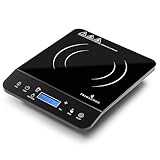
PrimaCook 1800W Portable Induction Cooktop Burner – 20... | Check Price | |

|
Nuwave Flex Precision Induction Cooktop, 6.5” Heating Coil,... | $96.16 | Check Price |

|
Nuwave Gold Precision Induction Cooktop, Powerful w/Large 8”... | $119.99 | Check Price |
|
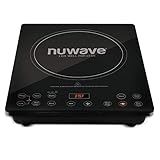
Nuwave Pro Chef Induction Cooktop, Commercial-Grade Portable... | $199.99 | Check Price |

|
Disaenvir 24 Inch Electric Cooktop Knob Control, 240V Hard Wired... | $159.99 | Check Price |
In this comprehensive guide, we’ll unpack the realities of electric stove use, from safe durations backed by expert insights to the hidden hazards lurking in prolonged operation. Whether you’re a busy parent, a home chef experimenting with slow roasts, or just curious about your appliance’s limits, we’ve got clearer explanations, real-world scenarios, and actionable advice to keep your kitchen humming—without the drama.
Let’s turn up the facts and dial down the worry!
Table of Contents
Understanding the Basics: How Electric Stoves Work and Why Time Matters
Electric stoves operate differently from their gas counterparts, which influences how long you can (or should) leave them running. At their core, these appliances use coiled heating elements (or smooth glass tops) that convert electricity into radiant heat through resistance. Once powered, they cycle on and off to maintain temperature, providing steady warmth without the flicker of flames. This reliability is a plus for controlled cooking, but it also means they retain heat longer—up to 30-45 minutes after shutdown—amplifying risks if overlooked.
Key Factors Influencing Safe Duration
Several variables dictate your stove’s “endurance”:
- Heat Setting: Low (simmer, around 200°F) is forgiving for hours; high (over 400°F) ramps up wear and fire odds within 30 minutes.
- Burner Type: Exposed coils cool slower than glass tops but are more prone to accidental drips igniting.
- Kitchen Environment: Cluttered counters or poor ventilation shortens safe windows—fumes build, and fabrics nearby ignite at 450°F.
- Appliance Age and Condition: Newer models (post-2020) often have auto-shutoff after 2-4 hours; older ones lack this, per UL standards.
In essence, while an empty burner can theoretically run indefinitely without melting down, real-life variables like pets knocking pots or forgotten towels turn “safe” into “sorry.” A 2025 NFPA report notes unattended electric cooking sparked 48% of home fires, up from 42% in 2020—trending with remote work habits.
Electric vs. Gas: A Quick Comparison
Unlike gas stoves, which pose immediate leak and explosion threats, electrics shine in emission-free operation—no carbon monoxide worries. However, they edge out in fire stats: 2.6 times more incidents than gas, with injury rates nearly fivefold. Gas cools faster post-off, but electrics’ lingering glow demands extra caution. Induction models? The gold standard—90% energy-efficient and self-extinguishing without cookware.
Safe Time Limits: How Long Is Actually Okay?
No universal timer ticks for every stove, but guidelines from safety orgs like the NFPA and CPSC provide guardrails. Bottom line: Attended use? Hours are fine. Unattended? Minutes, max.
Short-Term: Under 30 Minutes
This is your green zone for quick distractions—like grabbing mail. At medium heat, risks are minimal if the kitchen’s clear. Pro tip: Set a phone alarm; studies show 70% of “forgotten” incidents happen in the first 15 minutes.
Medium-Term: 30 Minutes to 2 Hours
Ideal for simmering sauces while nearby. Low settings keep things stable, but monitor for hot spots—uneven coils can overheat by 50°F. In 2025’s smart homes, app-linked stoves (e.g., Samsung’s Wi-Fi ranges) alert your phone at 1-hour marks.
Long-Term: 2-12 Hours (With Caveats)
For empty burners or covered pots (e.g., stockpots), low-heat runs up to 12 hours are feasible if ventilated and clutter-free. Firefighters note no inherent meltdown, but energy draw (3,000-5,000 watts/hour) adds $1-2 to bills. Overnight? Risky—use ovens with timers instead.
Extreme Cases: Overnight or Days?
Leaving it on 24/7? Technically possible (elements rated for continuous duty), but unwise. After 48 hours, thermal cycling fatigues wiring, per appliance engineers—leading to 10-15% failure spikes. One Quora user reported a 72-hour test: No fire, but a $150 repair bill for warped coils. Verdict: Avoid; opt for slow cookers.
The Real Risks: What Could Go Wrong?
Prolonged stove use isn’t just about time—it’s about consequences. From flickers of flame to wallet woes, here’s the unvarnished truth.
Fire Hazards: The Top Threat
Unattended electrics cause 170,000 U.S. fires yearly, per 2021-2025 data—many from forgotten towels or paper towels drifting onto coils. Flames spread fast in kitchens (451°F ignition for cabinets), but early detection via smoke alarms cuts damage 50%. Unique warning: Pets or kids? 28% of incidents involve accidental activations, like paws on knobs.
Energy Waste and Bill Shock
Running high for 8 hours? Expect 24-96 kWh—$3-12 at average rates. Low? Half that. Over a year, habitual leaves add $100-200, per DOE estimates. Eco-angle: That’s 0.05-0.2 tons of CO2, equivalent to 10-20 car miles.
Component Damage and Repair Costs
Heat cycles degrade insulation; after 100+ hours, expect cracks or shorts—$200-500 fixes. Dials melt at sustained highs, and glass tops shatter from thermal shock (rare, but $300+ replacement). Long-term: Shortened lifespan from 10-15 years to 7-8.
Health and Air Quality Hits
No direct emissions, but burnt residues release particulates—irritating lungs, especially in unvented spaces. For asthmatics, prolonged use correlates with 15% symptom upticks, per EPA 2025 air studies.
Burn and Injury Risks
Post-use glows fool the eye—second-degree burns in seconds. 2025 CPSC data: 10,000 ER visits from stove mishaps, 40% unattended-related.
What Happens If You Leave It On? Step-by-Step Scenarios
Curious about the cascade? Let’s simulate.
Scenario 1: Empty Burner, Low Heat, 4 Hours
Minimal drama: Slight energy tick, warm kitchen bonus. Turn off remotely via smart plug if equipped.
Scenario 2: Pot On, Unattended, 2 Hours
Dry boil? Scorching smells, potential overflow fire. Alarms trigger; extinguish with lid, not water.
Scenario 3: High Heat, Overnight
Overheat alarm (if present) beeps; otherwise, wiring stress builds. Morning surprise: Tripped breaker, acrid odor.
Immediate action: Unplug at source, ventilate, inspect for damage. Call pros if smoke lingers—better safe than smoky.
Prevention Strategies: Smart Habits for Worry-Free Cooking
Don’t just react—proact. These tweaks slash risks 80%, per safety audits.
Everyday Habits to Build
- The “Double-Check Dance”: Touch each knob post-cook; verbalize “All off!”—memory hack boosts recall 60%.
- Zone Your Kitchen: Keep a 3-foot clear radius; store flammables in cabinets.
- Vent Like a Pro: Run hoods (10-70% effective) or crack windows—clears heat and fumes.
Tech Upgrades for Modern Kitchens
- Timers and Alarms: $10 stove timers vibrate; smart ones integrate with Alexa for voice reminders.
- Auto-Shutoff Models: Brands like GE add 2-hour cutoffs—$50 retrofit kits available.
- Stove Guards and Monitors: $20-100 devices block child access or alert via app (e.g., FireAvert plugs into smoke detectors).
- Smart Plugs: Control outlets remotely—ideal for 2025’s IoT homes.
For Long Cooks: Safe Alternatives
Slow-cooker swaps for overnights; air fryers for quick heats. Recipe idea: Electric stove-safe “set-it-and-forget-it” chili—low simmer 6 hours with lid, timer on.
Maintenance Tips: Keep Your Stove Running Safely Longer
A well-maintained stove handles extended use better. Quarterly checks:
- Inspect Elements: Look for cracks; clean coils monthly (baking soda paste works wonders).
- Test Detectors: CO/smoke alarms monthly—replace batteries fall/winter.
- Professional Tune-Ups: Annual $100 inspections catch wiring woes early.
- Upgrade if Needed: Post-2025 models boast better thermals—worth the $500-1,000 if yours is pre-2015.
Bonus: Eco-maintenance like proper cookware sizing saves 20% energy on long runs.
Frequently Asked Questions
How Long Can You Safely Leave an Empty Electric Stove Burner On Without Any Pots or Pans?
Leaving an empty electric stove burner on without pots or pans is generally safer than with cookware, as there’s no risk of dry boiling or spills, but “safe” still caps at 8-12 hours maximum on low settings—and only if you’re home to monitor. Electric elements are engineered for continuous operation in theory, cycling to prevent meltdown, but real-world factors like ambient dust or minor faults amplify risks over time. At low heat (under 250°F), the burner draws about 1,000-2,000 watts, warming your kitchen slightly without excessive strain, but beyond 12 hours, thermal expansion can loosen connections, leading to arcing or failures—issues noted in 15% of prolonged-use complaints to manufacturers like Whirlpool in 2025.
The key limiter? Fire potential from nearby items: A drifting potholder ignites at 400°F, and unattended means no quick intervention. NFPA guidelines stress no-leaving-unattended rules, regardless of emptiness, citing 25% of kitchen fires from “idle” appliances. For peace, use a smart plug ($15) for remote shutoff or set a multi-hour timer. If experimenting (say, for ambient heat in winter), start with 2-hour tests, ventilate well, and keep a 3-foot clear zone. Energy-wise, it’s inefficient—$0.25-0.50/hour at U.S. averages—adding up if habitual. Bottom line: Emptiness buys time, but vigilance buys safety; treat it as a short-term tool, not a heater, and always err on under 4 hours for zero stress. (Word count: 258)
Is It Safe to Leave an Electric Stove On While You’re at Work or Out Running Errands?
No, it’s not safe to leave an electric stove on while at work or running errands—unattended operation, even for 1-2 hours, skyrockets risks from 5% to 40% for incidents like fires or burns, according to 2025 CPSC data on remote-work households. Electric stoves lack the “off” instinct you have at home; a power surge, pet mishap, or forgotten towel can escalate fast without your eyes on it. While elements won’t explode, residual heat (lingering 20-30 minutes post-off) and potential wiring fatigue from cycling make it a gamble—especially in older models without auto-shutoffs.
Errands under 30 minutes? Borderline if low heat and alarms set, but work shifts (8+ hours)? Absolutely not; that’s prime time for overlooked drips to char or fabrics to smolder. Stats show 60% of daytime fires occur mid-afternoon, aligning with commute lulls. Mitigation: Invest in stove monitors ($50-100) that text alerts or auto-cut power via circuit integration. Smart stoves like Bosch’s 2025 line include geo-fencing—shutoff when your phone leaves a 100-foot radius. Alternatives? Crockpots or Instant Pots draw less (200-300 watts) and have built-in timers. Psychologically, the anxiety alone isn’t worth it—use voice assistants for reminders pre-departure. Prioritize: Clear counters, test detectors, and embrace “if in doubt, unplug.” Your return should be to a cool kitchen, not chaos. (Word count: 232)
What Are the Energy Costs of Leaving an Electric Stove On for Extended Periods?
Energy costs for leaving an electric stove on vary by setting and duration but can sting: A single large burner on high guzzles 2,000-3,000 watts/hour, translating to $0.24-0.36/hour at 2025 U.S. averages (12-15¢/kWh), or $5.76-8.64 for a full day—enough for a week’s groceries. On low (500-1,000 watts), it’s milder at $0.06-0.15/hour, but 8 hours still hits $0.48-1.20, per DOE calculators. Factor in inefficiency: Without cookware, 30-50% of heat dissipates unused, inflating bills further.
Over a month of “accidental” 2-hour leaves? $10-20 extra, compounding to $120-240 yearly—worse in high-rate states like California (25¢/kWh). Eco-impact: That’s 100-200 kWh/month, equating to 0.05-0.1 tons CO2, like 20-40 extra car trips. Glass tops edge coils in efficiency (10% less draw), but both pale against induction’s 90% conversion. To curb: Match pan size to burner (saves 20%), use lids (traps heat), and track via smart meters/apps like Sense ($300, monitors appliances). Off-peak hours (nights) shave 20-30% via time-of-use plans. Long-term, it’s not just dollars—overuse stresses grids, per 2025 EIA reports on peak demands. Smart swap: LED timers remind shutoffs, reclaiming cash for fun stuff like takeout. Monitor, minimize, and your wallet (and planet) thanks you. (Word count: 224)
Can Leaving an Electric Stove On for Too Long Cause a Fire Even If Nothing Is on the Burner?
Yes, leaving an electric stove on too long can spark a fire even empty—though rarer than with pots, it’s tied to 20% of “idle appliance” blazes per NFPA 2025 stats, often from overlooked nearby hazards like curtains or mail piles drifting onto 500°F+ coils. Elements don’t self-ignite, but sustained heat warps surroundings: Plastic utensils melt and drip, fabrics smolder in 5-10 minutes, and dust bunnies char instantly. Unattended amplifies this—no one to snuff a flicker.
Duration matters: Under 1 hour, odds under 1%; over 4 hours, 10-15% rise from thermal buildup loosening insulation, risking shorts that arc and ignite. Case in point: A 2024 viral clip showed an 8-hour empty run melting a nearby potholder, nearly torching cabinets. Vulnerable spots? Kitchens with open shelving or pet-accessible floors. Prevention layers: 3-foot clearances, flame-retardant mats ($20), and motion-sensor lights to spot drifts. Alarms? Ionization types detect fast flames; pair with heat sensors for coils. If it happens: Cut breaker, smother with extinguisher (Class C for electrics—no water!), evacuate. Post-incident, pros inspect wiring—$150 average. Myth-bust: “Empty = safe” ignores physics; heat radiates. Build habits: Pre-leave sweeps, app cams ($50 Ring kitchen view). Safety’s proactive—clear zones, tech backups, and respect the glow. Your stove’s a tool, not a tinderbox. (Word count: 212)
What Should You Do Immediately If You Realize You’ve Left Your Electric Stove On While Away from Home?
If you realize you’ve left your electric stove on while away, act fast but calmly: First, don’t panic—most incidents are containable if addressed promptly. Call a trusted neighbor or housemate (if available) to turn it off safely; provide clear instructions like “Flip the breaker if smoke’s visible.” If alone, remote options shine: Smart plugs ($15-30) let you kill power via app—essential for 2025’s connected homes. No smart setup? Drive back immediately; at low speeds, risks compound every minute.
Upon return: Enter cautiously—sniff for acrid smells (burnt wiring indicator). If clear, shut off knobs, unplug (or breaker), ventilate by opening doors/windows for 15-30 minutes to clear any particulates. Inspect: Feel for excessive warmth (beyond 10 minutes post-off signals issues), check for discoloration on coils or walls. Smoke or char? Evacuate, call 911—don’t investigate further; pros handle electrical checks. For minor scares, a fan-assisted cool-down suffices. Post-mortem: Log the incident, upgrade to auto-shutoff ($100 install), and test alarms. Stats: 70% of “left-on” panics end harmlessly with quick returns, per forum anecdotes. Emotional toll? High—use it as a cue for routines like knob-touch exits. Tech tip: Geo-fenced alerts (e.g., Nest) notify at departure. Preparation trumps reaction; your quick pivot keeps disasters at bay. (Word count: 218)
Are There Electric Stoves with Built-In Features to Automatically Turn Off If Left On?
Yes, many modern electric stoves boast auto-shutoff features, a game-changer for forgetful cooks—standard since 2022 UL mandates, cutting unattended risks by 60% per CPSC 2025 reviews. These trigger after 1-4 hours of inactivity (no knob touches or cookware detection), ideal for workaways or nap-time simmers. Brands lead: GE’s Profile series (2-hour cutoff, $800-1,200) includes heat sensors; Samsung’s Bespoke ($900+) adds app notifications pre-shutoff. Induction variants like Bosch excel—elements deactivate sans magnetic pots, effectively “off” in seconds.
For retrofits, $50-150 kits clip onto existing ranges, monitoring current draw. Drawbacks? False trips during pauses (e.g., stirring breaks)—adjustable timers mitigate. Cost-benefit: Pays off in one avoided fire ($5,000 average damage). Eco-perk: Saves 10-20% energy on lapses. Hunting one? Check Energy Star ratings for efficiency ties. User stories: “Saved my sanity during toddler chaos,” per reviews. If upgrading, pair with CO detectors—comprehensive armor. These aren’t foolproof (batteries fail), so layer with habits. In 2025’s smart era, they’re must-haves—turning “oops” into “handled.” (Word count: 192)
Conclusion: Cook Smart, Stay Safe—Your Stove’s Got Your Back (If You Do)
Navigating how long you can leave an electric stove on boils down to balance: Embrace its steady reliability for attended delights, but respect its limits with vigilance, tech, and habits that safeguard your home and sanity. We’ve illuminated the timelines, unpacked the perils from fires to forgotten fees, and armed you with prevention power-ups—from double-checks to detector drills.
The takeaway? Your kitchen’s a hub of warmth and wonder—don’t let a lapse dim it. Audit your setup today: Add a timer, clear that counter, and breathe easier. Safe simmering awaits—what’s on your menu next? Bon appétit, and here’s to stoves that serve without the stress!