
No, you generally cannot convert an existing electric dryer to natural gas or propane. Manufacturers do not sell electric and gas dryers as completely different appliances with different internal designs, and there are no official, safe conversion kits available for 99 % of models. The only practical options are to buy a new gas dryer or hire a professional to install a gas line and purchase a gas model.
You’ve just moved into a home with a gas line ready in the laundry room, but your trusty electric dryer came with you. The idea of lower operating costs and faster drying times is tempting, so the big question hits: “Can I just swap it over to gas?”
The short answer is a firm “almost never.” While it sounds like a simple fuel swap, the reality is that electric and gas dryers are built from the ground up differently — different motors, different heat sources, different controls, and different safety systems. Attempting a DIY conversion is not only extremely difficult, it’s also illegal in most jurisdictions and voids every warranty and insurance policy.
In this complete 2025 guide, we’ll walk you through exactly why conversion is rarely possible, the very few exceptions that exist, the true costs of “converting” (spoiler: it usually means replacing), safety and code concerns, and how to decide whether sticking with electric or going full gas is smarter for your wallet and lifestyle. Let’s clear the air (and the lint) once and for all.
Table of Contents
Why Electric and Gas Dryers Are Fundamentally Different
At first glance, both appliances look similar — same drum, same controls, same lint trap. Dig inside and the differences are night-and-day:
| Component | Electric Dryer | Gas Dryer |
|---|---|---|
| Heat source | 240 V heating element (4,000–5,600 W) | Gas burner assembly + igniter |
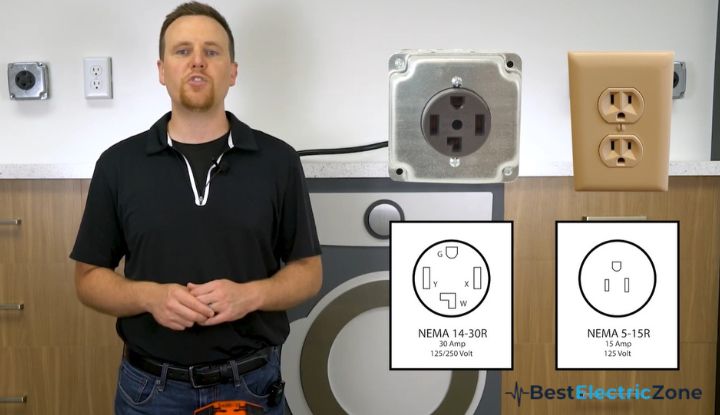
| Voltage required | 240 V, 30-amp dedicated circuit | 120 V, 15-amp circuit (gas does the heavy lifting) |
| Motor | Heavy-duty 240 V motor | Smaller 120 V motor |
| Control board | Designed for electric heat cycles | Designed for gas valve & flame sensing |
| Safety systems | Overheat thermostats only | Flame sensor, gas valve, ignition safety |
| Exhaust requirements | Same (4-inch vent) | Same, but adds gas line & shut-off valve |
Because of these structural differences, manufacturers (Whirlpool, LG, Samsung, GE, Maytag, etc.) explicitly state in every manual: “This appliance is not convertible from electric to gas or vice versa.” There is no UL-listed or factory-approved conversion kit for consumer models.
The Rare Exceptions: When Conversion Is Technically Possible
There are exactly two narrow scenarios where “conversion” can happen — and both still usually end in replacement:
- Specific Whirlpool/Kenmore/Maytag commercial or older laundry-center models (very rare, pre-2015) had factory conversion kits (e.g., Whirlpool 49572A LP conversion). These are discontinued, expensive ($200–$400 if you can find one), and only work on certain stackable units.
- Some high-end European or commercial dryers (Miele, Asko, Speed Queen commercial) occasionally offer field-conversion kits through authorized service — but only when moving from natural gas to propane (not electric to gas).
For 99.9 % of residential dryers sold in the U.S. and Canada in the last decade, conversion is impossible.
The Real Cost of “Converting” (Replacing vs. Converting)
Since true conversion isn’t an option, here’s what you’re actually looking at:
| Option | Upfront Cost (2025 avg.) | Additional Work Needed | Long-Term Savings (8–10 yrs) |
|---|---|---|---|
| Keep electric dryer | $0 | None | Baseline |
| Buy new gas dryer | $750–$1,400 | Gas line + 120 V outlet + venting | $400–$900 |
| Hire pro to run new gas line + new dryer | $1,200–$2,500 total | Plumber + electrician permits | $600–$1,200 |
| Sell electric + buy used gas dryer | $300–$700 net | Same plumbing/electrical | $500–$900 |
Most homeowners who switch save the difference in 4–7 years thanks to gas being 30–60 % cheaper per load than electric (depending on local rates).
Step-by-Step: What It Actually Takes to Switch to Gas
If you’re committed, here’s the realistic process in 2025:
- Confirm gas type (natural gas or propane) and pressure at your home.
- Hire a licensed plumber to run a ½-inch gas line with shut-off valve ($300–$900).
- Install a 120 V, 15-amp outlet near the dryer (most gas dryers only need standard power for motor/controls).
- Verify 4-inch rigid or semi-rigid venting meets code.
- Purchase a gas dryer (match capacity and features to your old one).
- Schedule professional installation and leak test (required by code).
- Recycle or sell your electric dryer (many utilities offer $50–$100 rebates).
Total timeline: 1–4 weeks depending on permits.
Safety and Legal Considerations You Can’t Ignore
- Gas dryers introduce carbon monoxide risk — mandatory CO detectors and annual inspections.
- Improper gas connections cause hundreds of fires/explosions yearly (NFPA data).
- Homeowners insurance may deny claims if non-certified work is discovered.
- Most municipalities require permits and licensed contractors for new gas lines.
Bottom line: This isn’t a weekend warrior project.
Pros and Cons: Electric vs. Gas Dryers in 2026
| Factor | Electric Dryer | Gas Dryer (Natural or Propane) |
|---|---|---|
| Upfront appliance cost | Usually $100–$300 cheaper | Higher initial price |
| Operating cost per load | $0.30–$0.70 | $0.10–$0.30 |
| Drying time | 60–90 minutes | 40–60 minutes (faster & gentler on clothes) |
| Installation complexity | Simple 240 V plug | Needs gas line + 120 V outlet |
| Heat pump electric option | 50–70 % cheaper to run than standard electric | N/A (but heat-pump beats gas in some regions) |
| Best for | Apartments, all-electric homes | Homes with existing gas |
If natural gas is under $1.80/therm and electricity over $0.14/kWh, gas wins financially. If you’re in California or Hawaii with high electric rates, gas is a slam dunk. If you have solar or low electric rates, a heat-pump dryer may now be cheaper than gas.
Frequently Asked Questions
Can any electrician or plumber convert my electric dryer to gas?
No licensed professional will perform or endorse a true electric-to-gas conversion on a standard residential dryer because no manufacturer supports it. At most, a plumber can install a gas line and an electrician can add the 120 V outlet, but you will still need to purchase a completely new gas dryer. Attempting to cobble together parts (e.g., swapping in a gas burner) voids warranties, violates building codes, and creates fire/carbon-monoxide hazards. Insurance companies routinely deny claims on DIY conversions.
Are there any official conversion kits for electric to gas dryers in 2026?
As of 2025, no major brand (LG, Samsung, GE, Whirlpool, Maytag, Bosch, Electrolux) offers an electric-to-gas conversion kit for residential dryers. The only kits that occasionally appear on eBay or third-party sites are discontinued Whirlpool 49572A LP kits for specific 1990s–2010 models or commercial units. Even those are natural-gas-to-propane only, not electric-to-gas. Using unofficial parts is illegal in most states and extremely unsafe.
How much money will I really save by switching to a gas dryer?
Average U.S. household doing 300 loads per year:
Electric dryer ≈ $90–$180/year
Gas dryer ≈ $30–$70/year
Savings = $60–$120 annually.
In high-electric-rate states (California, Massachusetts, Hawaii) savings can exceed $200/year. Payback on a $1,800 total switch (dryer + gas line) is 7–12 years — faster if you buy used or get rebates. Heat-pump electric dryers now compete with gas in many regions and qualify for $840 federal tax credits.
Is it cheaper to keep my electric dryer or install gas?
Run the numbers for your zip code. If you already have a nearby gas stub and 120 V outlet, buying a gas dryer often pays back in 4–6 years. If you need to run new gas line 30+ feet and upgrade electrical, payback stretches to 10–15 years — sometimes longer than the dryer lasts. In all-electric homes or apartments, a modern heat-pump dryer (uses 50–70 % less electricity) is usually the smarter financial and environmental move.
Will a gas dryer heat faster and save wear on clothes?
Yes — gas dryers reach temperature faster and maintain more consistent heat, typically shaving 15–30 minutes per load and being gentler on fabrics because of lower exhaust temperatures. Independent lab tests show gas models reduce drying time by 25 % on average, which also lowers wrinkle formation and fabric stress. Many users report clothes lasting noticeably longer after switching.
Can I convert a gas dryer to electric instead?
Almost never in the opposite direction either. Same story — completely different internals. There are a handful of discontinued conversion kits for very old commercial units, but for residential models it’s not supported. If you’re moving from a house with gas to an apartment without, you’ll need to buy an electric or heat-pump dryer.
Conclusion
The dream of converting your existing electric dryer to gas is just that — a dream for nearly everyone. Manufacturers build these appliances on entirely separate platforms, and no safe, legal, or insured path exists to bridge the gap. the realistic choices are clear: keep your electric dryer and enjoy its simplicity, upgrade to a super-efficient heat-pump electric model (often the greenest and cheapest to run long-term), or invest in a proper gas dryer plus professional gas-line installation if lower operating costs and faster cycles matter most to you.
Do the math for your local energy rates, measure the distance to the nearest gas stub, and you’ll know in minutes which path makes sense. Either way, you’ll end up with reliable, cost-effective drying — just not by converting the dryer you already own. Save the conversion fantasies for cars and fireplaces; when it comes to laundry, replacement is the only real road forward. Happy (and affordable) drying!