
Power surges can damage appliances and electronics, making whole-house surge protection essential. But what size surge protector do I need for whole house?
The right size depends on your home’s electrical needs and surge risks.
This guide explores surge protector sizing, key features, and unique strategies to safeguard your home cost-effectively while ensuring compliance with safety standards, keeping your electronics secure and your budget intact.
| Preview | Product | Price | |
|---|---|---|---|
|
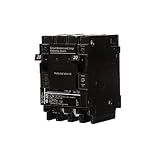
Siemens QSA2020SPD Whole House Surge Protection with Two 20-Amp... | $129.00 | Check Price |
|
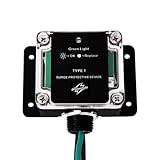
Whole House Surge Protector,HVAC Surge Protector, 200K... | $89.99 | Check Price |

|
Square D - HOM250PSPD Homeline Whole House Surge Protection... | $106.40 | Check Price |

|
Anker Power Strip with 2100J Surge Protector, Outlet Extender,... | $28.99 | Check Price |

|
Belkin 12-Outlet Surge Protector Power Strip w/ 12 AC Outlets &... | $28.49 | Check Price |

|
SUPERDANNY Power Strip Surge Protector, 22 AC 6 USB, 2100J,... | $24.49 | Check Price |

|
CyberPower CP1500PFCLCD PFC Sinewave UPS Battery Backup and Surge... | $239.95 | Check Price |
|
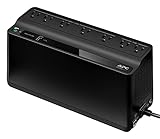
APC BE600M1 UPS Battery Backup & Surge Protector for Computer,... | $83.99 | Check Price |
Table of Contents
Why Choosing the Right Surge Protector Size Matters
Selecting the correct whole-house surge protector is crucial for:
- Safety: Prevents fires and shocks, per NFPA’s 51,000 fire statistic.
- Cost Savings: Avoids $1,000-$10,000 in repairs, per ElectricianGainesville.
- Appliance Protection: Extends device lifespans by 20-30%, per Fireplaces Direct.
- Compliance: Meets UL 1449 and NFPA 70 standards, per NFPA.org.
This ensures your home stays safe and efficient, per Scherer Electric.
What Size Surge Protector Do I Need for Whole House?
For most homes, a whole-house surge protector rated 40-80 kA is sufficient, per Scherer Electric. Larger homes (200+ amps) or those with frequent surges need 80-120 kA, per Oakwoodelectric. Choose UL 1449-certified units with a clamping voltage of 400V or less, per This Old House. Pair with point-of-use protectors for sensitive electronics to reduce damage risks by 80%, per Thezebra.
Understanding Whole-House Surge Protectors
Whole-house surge protectors are installed at your electrical panel to divert excess voltage, protecting all circuits, per Thezebra. They’re rated in kiloamps (kA), indicating surge absorption capacity, per Scherer Electric. Key features include:
- Surge Capacity (kA): Measures energy absorption, per Oakwoodelectric.
- Clamping Voltage: Activates protection at lower voltages (400V or less), per This Old House.
- Example: A 50 kA unit saved $3,000 in damages, per Electriciansserviceteam.
Tip: Verify UL 1449 certification, per CNET.
Factors Influencing Surge Protector Size
Several factors determine the right size:
1. Electrical Service Size
- Impact: Homes with 100-150 amp panels need 40-60 kA; 200+ amps need 80-120 kA, per Scherer Electric.
- Example: A 200-amp home used an 80 kA protector, per Oakwoodelectric.
Tip: Check your panel’s amperage, per Angi.
2. Appliance Types
- Impact: High-end electronics or multiple HVAC units require higher kA ratings, per Scherer Electric.
- Example: A smart home needed a 100 kA unit, per Electriciansserviceteam.
Tip: List valuable devices, per Thezebra.
3. Surge Frequency
- Impact: Areas with frequent storms need 80-120 kA, per This Old House.
- Example: A Florida home used a 100 kA protector, per CNET.
Tip: Check local weather patterns, per Homeserve.
4. Home Location
- Impact: Rural areas with unstable grids need higher ratings, per Oakwoodelectric.
- Example: A rural home chose a 120 kA unit, per Electriciantalk.
Tip: Consult utilities for grid stability, per TDLR.
Types of Whole-House Surge Protectors
Different types suit various needs:
1. Type 1 Surge Protectors
- Details: Installed before the main breaker, ideal for lightning surges, per Electriciansserviceteam.
- Example: A Type 1 unit protected a rural home, per Oakwoodelectric.
Tip: Requires utility approval, per Angi.
2. Type 2 Surge Protectors
- Details: Installed in the panel, easier for retrofits, per Thezebra.
- Example: A Type 2 unit saved $2,000, per Scherer Electric.
Tip: Choose for urban homes, per This Old House.
3. Hybrid Type 1/2 Protectors
- Details: Combines both for comprehensive protection, per Popularmechanics.
- Example: A hybrid unit protected a smart home, per Homedepot.
Tip: Ideal for mixed surge risks, per CNET.
Key Features to Look for in a Surge Protector
Ensure optimal protection with these features:
- Surge Capacity: 40-120 kA, per Scherer Electric.
- Clamping Voltage: 400V or less, per This Old House.
- Response Time: Under 1 nanosecond, per Electriciansserviceteam.
- Warranty: $50,000-$100,000 equipment coverage, per SE.
- Example: A 65 kA Siemens unit with a $75,000 warranty, per Popularmechanics.
Tip: Check UL 1449 certification, per CNET.
How to Size a Whole-House Surge Protector
Follow these steps to choose the right size:
1. Assess Electrical Load
- Process: Check your panel’s amperage (100-200 amps), per Angi.
- Example: A 150-amp panel used a 50 kA protector, per Scherer Electric.
Tip: Consult an electrician, per CSLB.
2. Evaluate Surge Risks
- Process: Consider storm frequency and grid stability, per This Old House.
- Example: A coastal home chose 100 kA, per Oakwoodelectric.
Tip: Review weather data, per Homeserve.
3. List Valuable Appliances
- Process: Identify electronics and HVAC units, per Thezebra.
- Example: A home theater needed an 80 kA unit, per Electriciansserviceteam.
Tip: Prioritize sensitive devices, per CNET.
4. Consult a Licensed Electrician
- Why: Ensures proper sizing and installation, per CSLB.
- Example: An electrician recommended a 65 kA unit, per Homedepot.
Tip: Verify licenses via TDLR, per TDLR.
Installation and Maintenance Tips
Proper setup and care ensure effectiveness:
- Installation: Hire a licensed electrician for NFPA 70 compliance, per NFPA.org.
- Cost: $300-$1,000 for installation, per Thezebra.
- Maintenance: Check indicator lights monthly, per This Old House.
- Example: Regular checks prevented a $2,000 failure, per Oakwoodelectric.
Tip: Replace units every 3-10 years, per Angi.
Safety Considerations for Surge Protectors
Stay safe with these practices:
- Standards: Follow NFPA 70 and UL 1449, per NFPA.org.
- Grounding: Ensure proper grounding, per Scherer Electric.
- Example: A grounded unit prevented a fire, per Electriciansserviceteam.
Tip: Install CO detectors, per EPA.
Comparing Whole-House and Point-of-Use Surge Protectors
Whole-house protectors differ from point-of-use options:
- Whole-House: Protects all circuits, 40-120 kA, per Thezebra.
- Point-of-Use: Protects individual devices, 600-2,000 joules, per CNET.
- Example: Combining both saved $1,500, per Scherer Electric.
Tip: Use both for comprehensive protection, per This Old House.
Unique Strategies to Optimize Surge Protection
Innovative ways to enhance protection:
- Smart Surge Protectors: Monitor surges via apps, saving 10% on repairs, per Moorgen Smart Home.
- Voltage Regulators: Stabilize power, per Green Thumb Depot.
- Backup Generators: Prevent outages, per Energy Professor.
- Modular Units: Replace modules, not entire units, per Bobvila.
- Example: A smart protector saved $800, per Moorgen Smart Home.
Tip: Track usage with Energybot, per Energybot.
Troubleshooting Surge Protector Issues
Address common problems:
- Failed Protection: Replace units after major surges, per This Old House.
- Indicator Issues: Check wiring, per CSLB.
- High Costs: Compare brands, per Homedepot.
- Example: Replacing a failed unit saved $1,000, per Oakwoodelectric.
Tip: Consult electricians for diagnostics, per TDLR.
FAQs About What Size Surge Protector Do I Need for Whole House
1. How do I know what kA rating my home needs?
A 40-80 kA surge protector suits most homes with 100-150 amp panels, while 200+ amp homes need 80-120 kA, per Scherer Electric. For example, a 200-amp home used an 80 kA unit, per Oakwoodelectric. Check panel amperage and list appliances, per Thezebra. Consult a licensed electrician for accurate sizing and NFPA 70 compliance, per CSLB.
2. Can a whole-house surge protector handle lightning strikes?
No surge protector fully stops direct lightning strikes, but 80-120 kA units mitigate damage from indirect strikes, per CNET. For example, a 100 kA unit saved $5,000, per Servicewiseelectric. Use Type 1 protectors for lightning-prone areas, per Electriciansserviceteam. Unplug devices during storms and ensure grounding, per This Old House.
3. Should I combine whole-house and point-of-use surge protectors?
Yes, combining them reduces damage risks by 80%, per Thezebra. Whole-house protectors (40-80 kA) shield circuits, while point-of-use units (600-2,000 joules) protect sensitive electronics, per CNET. For example, combining both saved a home theater, per Scherer Electric. Choose UL 1449-rated units and check warranties, per Homedepot.
4. How often should I replace a whole-house surge protector?
Replace units every 3-10 years, depending on surge frequency and quality, per Angi. For example, a 5-year-old unit failed after a storm, per Oakwoodelectric. Check indicator lights monthly, per This Old House. Modular units allow part replacements, saving $200, per Bobvila. Ensure NFPA 70 compliance during replacements, per CSLB.
5. Does home size affect surge protector sizing?
Yes, larger homes (200+ amps or 3,000+ sq. ft.) need 80-120 kA protectors, while smaller homes (100-150 amps) need 40-60 kA, per Scherer Electric. For example, a 4,000 sq. ft. home used a 100 kA unit, per Oakwoodelectric. Assess panel size and appliance load, per Thezebra. Consult electricians for precise sizing, per TDLR.
Conclusion
Wondering what size surge protector do I need for whole house? A 40-80 kA unit suits most homes, while 80-120 kA is ideal for larger or surge-prone homes, per Scherer Electric. Choose UL 1449-certified protectors with 400V clamping voltage, per This Old House. Combine with point-of-use units and ensure NFPA 70 compliance for safety and savings, per CSLB. Protect your home effectively, per Oakwoodelectric.